
A TGNC Person Standing In Front Of A Gate Arms Crossed

Survivor Assistance

If you’re experiencing intimate partner violence, domestic violence, stalking, and related harm, The Center is here to help. We provide LGBTQ+-affirming support from experienced professionals.

If you are feeling unsafe right now, call 911.
If you are in immediate danger and cannot speak safely, call or text 911 and follow the operator's instructions.

You Are Not Alone

Violence in relationships can look different. It may involve physical harm, emotional manipulation, financial control, stalking, isolation, technology-based abuse, or threats related to gender identity/expression, sexual orientation, or immigration status.

LGBTQ+ survivors often face additional barriers when seeking help. At The Center, you don’t need to choose between your safety or your identity. The Center’s Survivor Assistance Program provides affirming, non-residential support designed specifically for LGBTQ+ communities.

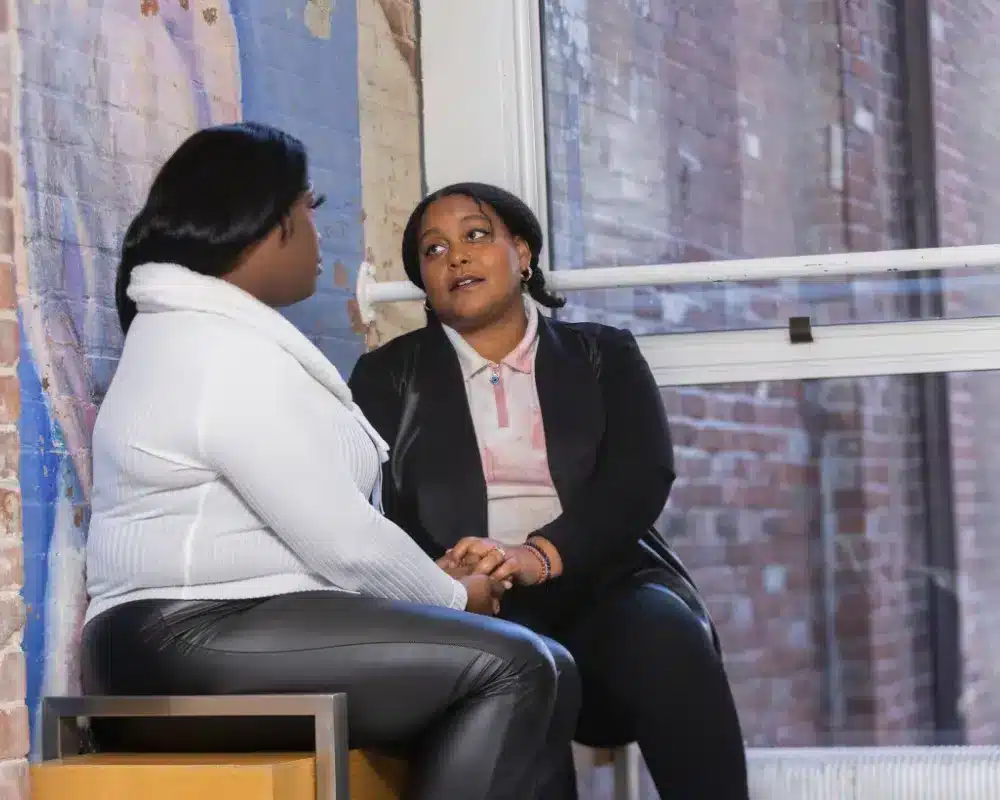
Two queer individuals at The Center

Who We Serve

We serve LGBTQ+ individuals across New York City experiencing:

• Intimate partner violence
• Domestic violence
• Stalking
• Coercive control
• Financial abuse
• Technology facilitated abuse

We welcome people of all gender identities, sexual orientations, immigration statuses, races, and ages.

How We Can Help

We provide support for LGBTQ+ individuals who have experienced crime, violence, or harm, including assault, harassment, and other forms of victimization.

Our services are free and confidential. We work collaboratively with you to identify your goals and next steps. You decide what support feels right.

Services include:

  • Crime Victim Support Services
  • Case Management and Service Coordination
  • Housing and Basic Needs Assistance
  • Legal and Advocacy Referrals
  • Health Insurance and Benefits Navigation
  • Short-term Support and Mental Health Referrals
  • Referrals to Affirming Community Resources
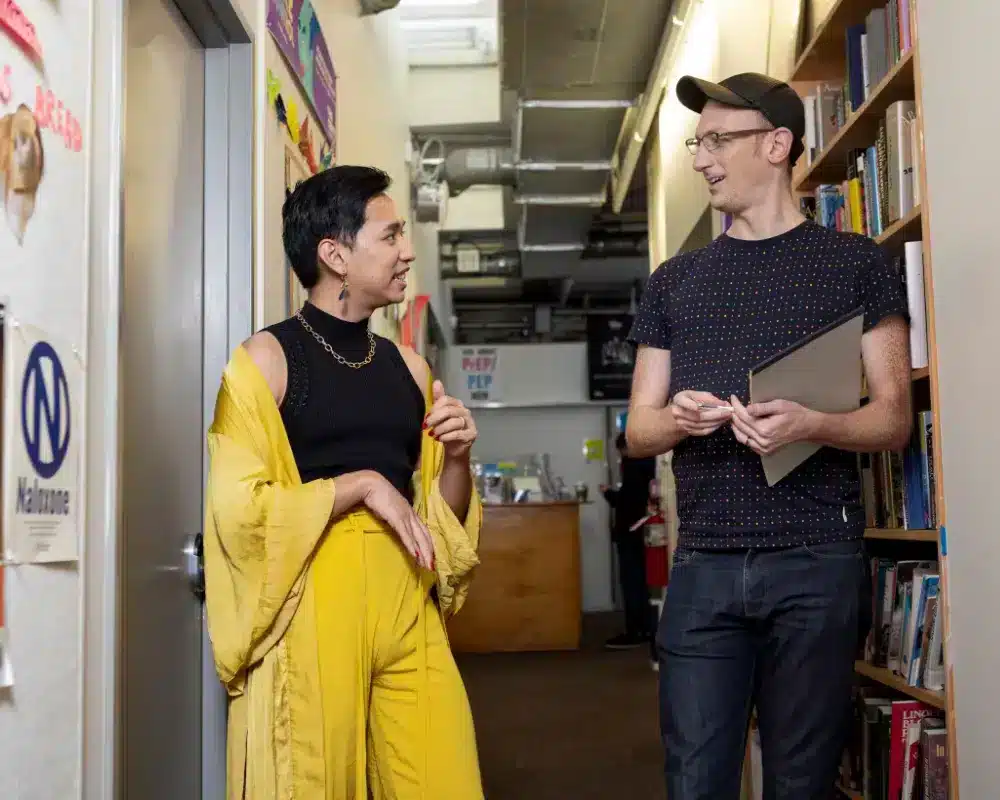
A gay man and nonbinary person walking at The Center

Get connected with assistance and support

Survivor Assistance Hotline Hours
Mondays through Fridays 8:00 a.m.–6:00 p.m.
Phone: 212.620.7310

On weekends and from 6:00–10:00 p.m. on weekdays, our team will provide contact information for survivor support organizations and crisis services operating during these hours.

After 10:00 p.m., our phone system provides a recorded list of emergency and crisis resources.

All non-emergency voicemails and online submissions are returned the next business day.

Online Intake Form: English & Spanish

Location: 208 W 13th Street, New York, NY 10011

Planning for Your Safety

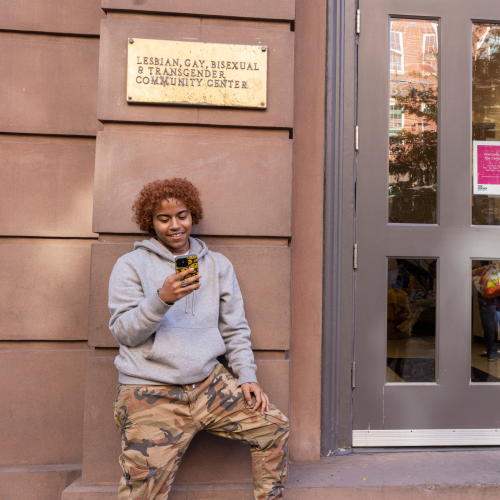
A masc presenting a person leaning on a stair railing

External Resources

Creating Your Safety Plan

Learn more about Safety Planning

Frequently Asked Questions

No. You do not have to leave a relationship to speak with us or receive services. We support survivors whether they are considering leaving, staying, or are unsure. Our role is to help you explore options safely and at your pace.

No. We are not law enforcement. We do not report immigration status. Any referrals or next steps are discussed with you first, and only with your consent, except when required by law.

Yes. Our services are confidential. We will explain the limits of confidentiality during intake so you understand exactly how your information is protected.

During program hours, you will speak with a trained Intake Coordinator who will ask about safety, gather basic information, and discuss what support might be helpful. You may be connected to a Survivor Support Coordinator or Counselor for ongoing services, or provided with referrals if that is the best fit.

From 6:00 p.m. to 10:00 p.m., our Information and Referral team can provide crisis hotline numbers and contact information for organizations operating during evenings and weekends. After 10:00 p.m., our phone system provides emergency resource information. Non-emergency voicemails are returned the next business day.

No. Services through the Survivor Assistance Program are free.

You are still welcome to reach out. Abuse can take many forms, including emotional, financial, technological, or coercive control. You do not need to label your experience before contacting us.

We provide housing advocacy, safety planning, and referrals to emergency and longer-term housing resources. While we do not operate a residential shelter onsite, we can help you navigate available options.